The Beas River: A Lifeline of Himachal Pradesh
Introduction
The Beas River is one of the major rivers in northern India, flowing gracefully through the scenic landscapes of Himachal Pradesh and Punjab. With its origin in the Himalayas, the river holds not only geographical importance but also historical and cultural significance.
Origin and Course
The Beas River originates from the Beas Kund near Rohtang Pass in Himachal Pradesh, at an elevation of about 4,000 meters. From there, it flows through Kullu, Mandi, and Kangra districts before entering Punjab. It finally merges with the Sutlej River at Harike.
Covering a distance of approximately 470 kilometers, the river nourishes the fertile plains of north India, supporting agriculture and life along its course.
Natural Beauty
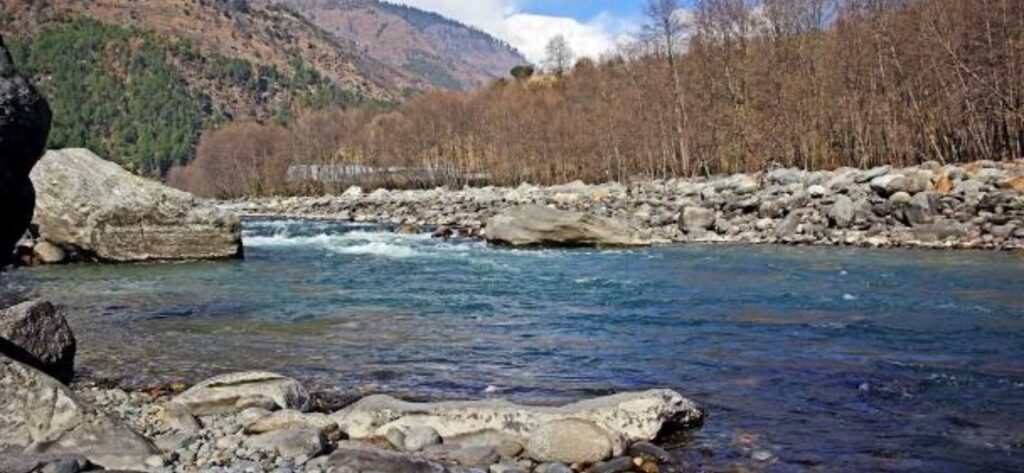
The Beas is known for its crystal-clear waters and the lush green valleys it flows through. In places like Manali and Kullu, it offers breathtaking views and becomes a favorite spot for tourists and photographers. The river also supports a variety of flora and fauna, making the region rich in biodiversity.
Adventure and Tourism
Beas River is a hub for adventure sports such as river rafting, kayaking, and camping. Particularly around Kullu and Manali, thousands of thrill-seekers visit every year to enjoy water-based activities. Along with adventure, riverside temples, scenic spots, and peaceful retreats make it a perfect destination for nature lovers.
Historical and Cultural Relevance
According to legend, the Beas was named after Sage Vyas (Vyasa), the author of the Mahabharata. In ancient times, it served as the eastern boundary of Alexander the Great’s empire. This deep historical connection adds to the river’s cultural value.
Environmental Importance
The Beas plays a crucial role in irrigation and hydroelectric power generation. Projects like the Pong Dam and the Beas-Sutlej Link are significant sources of energy and water supply in the region. However, maintaining the river’s cleanliness and ecological balance is essential due to increasing human activities.