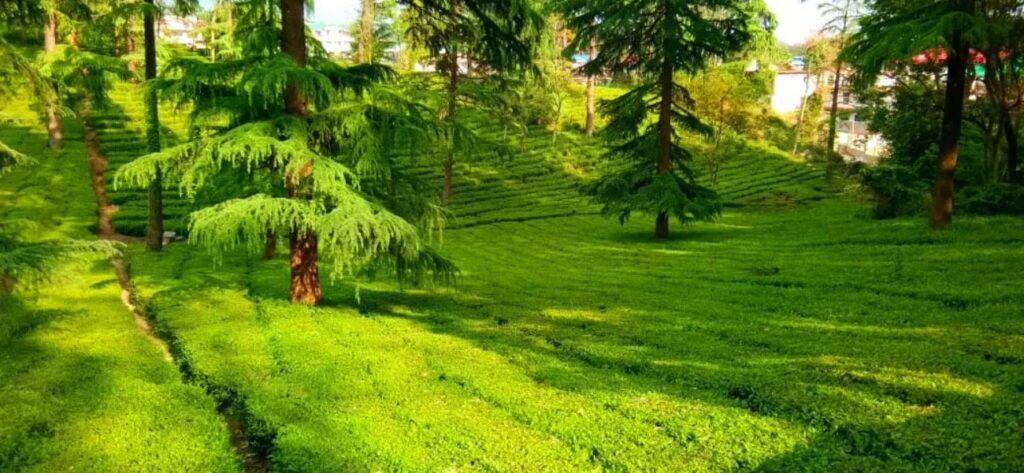
Nestled in the lap of the Himalayas, Himachal Pradesh is not just about snow-capped peaks and adventure sports — it’s also home to some of India’s most picturesque tea gardens. These lush plantations offer a blend of natural beauty, tranquil vibes, and a deep-rooted tea culture.
A Brief History of Tea in Himachal
The story of tea in Himachal Pradesh dates back to the mid-19th century when the British introduced tea cultivation in the Kangra Valley. The region’s cool climate, gentle slopes, and rich soil proved perfect for producing aromatic and high-quality tea. Though an earthquake in 1905 affected the industry, tea farming revived in the later years.
Kangra Valley – The Tea Capital of Himachal
When it comes to tea gardens in Himachal, Kangra Valley stands out. Located near Dharamshala and Palampur, this region is known for its unique Kangra Tea, which carries a distinct flavor. The tea here is mainly green and black, and it’s gaining recognition globally for its quality and health benefits.
Palampur – A Green Paradise
Often referred to as the ‘Tea Capital of North India’, Palampur is surrounded by pine forests, streams, and, of course, vast stretches of tea gardens. The Wah Tea Estate, one of the oldest estates here, offers guided tours where visitors can walk through tea bushes, learn about tea processing, and enjoy fresh brews with a view.
Best Time to Visit
The best time to explore Himachal’s tea gardens is from March to June and September to November, when the weather is pleasant and the plantations are lush and active.
A Perfect Blend of Nature and Culture
A visit to these gardens is not just about sipping tea. It’s an experience filled with calm walks, bird watching, and local hospitality. Many estates also offer homestay or tea tourism experiences, letting you live amidst the aroma of fresh leaves and rolling green hills.