🏰 Introduction to Kangra Fort
Perched atop a hill overlooking the confluence of the Banganga and Majhi rivers, Kangra Fort is not just a monument – it’s a living tale of bravery, battles, and breathtaking architecture. Believed to be one of the oldest forts in India, it reflects the glorious past of the Katoch dynasty and the strategic importance of the region.
🕰️ A Glimpse into History
The Kangra Fort is mentioned in ancient texts like the Mahabharata, and historians trace its origins to over 3,500 years ago. Once the stronghold of the mighty Katoch kings, the fort was coveted by many rulers – from Mahmud of Ghazni in 1009 AD to the Mughals and later, the British. Each left their mark, adding layers of legacy and architectural detail.
🏯 Architecture and Layout
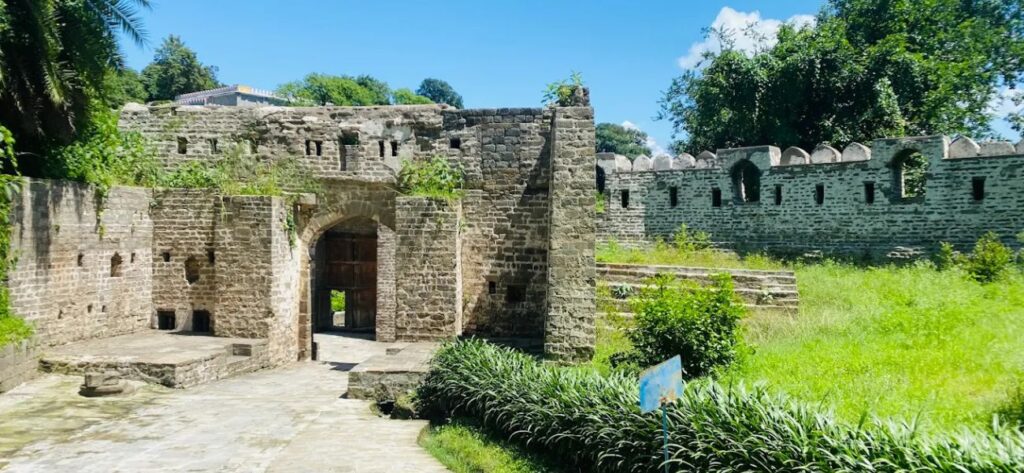
Built with immense stone walls and grand gates, Kangra Fort is a marvel of medieval military design. It houses:
- Darwazas (Gates): Seven massive gates, including Ranjit Singh Gate and Jahangiri Gate, guide you through the fort’s core.
- Watchtowers and Ramparts: Offering panoramic views of the Kangra Valley, ideal for both defense and admiration.
- Temples: Within the fort lies the Lakshmi Narayan Temple and Ambika Devi Temple, reflecting Kangra’s religious and cultural spirit.
🌄 Why Visit Kangra Fort?
Whether you’re a history buff, a photographer, or simply seeking peace in the lap of nature, Kangra Fort won’t disappoint. The stone-paved paths, ancient carvings, and echoes of past battles make it a surreal experience. Don’t forget to catch the sunset view from the ramparts – it’s unforgettable.
🗺️ How to Reach
- Nearest City: Dharamshala (approx. 20 km)
- Transport: Easily accessible by road; nearby railway station at Kangra Mandir
- Timings: Open daily from 9 AM to 6 PM
- Entry Fee: Nominal charge for Indian and foreign tourists